Gridline
Project
As part of the Scraps to Living by Ganga, this project explored the potential of post-production textile waste generated during garment manufacturing. Since waste generation at Ganga was inconsistent in terms of material type, color, and dimensions, the first step was understanding and categorizing the available waste stream.
The collected textile scraps (chindi) were sorted based on size, material composition, color, and usability. Through this process, three primary waste categories emerged—small scraps, medium scraps, and long strips. This categorization became the foundation for subsequent material explorations and product development.
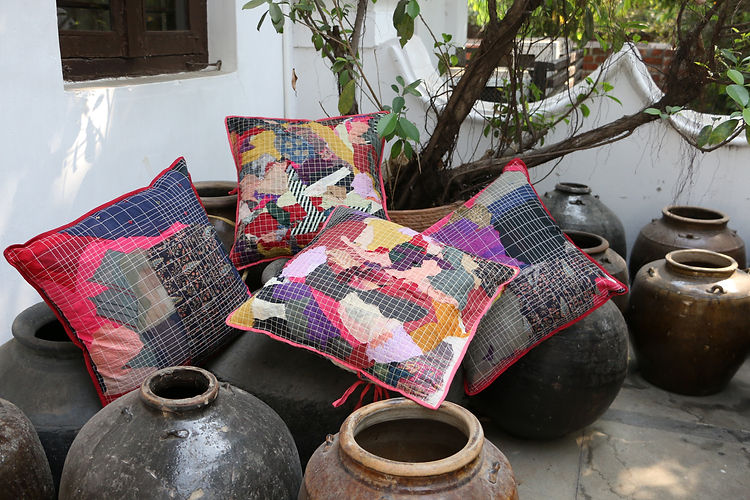
The focus of this collection was to utilize small and medium-sized scraps through reinforcement and patchwork techniques to create durable textile surfaces for home furnishing applications.
Process

Understanding the Context
Researching Surat's textile ecosystem and understanding the journey of textile waste from production to disposal.
Material Collection & Analysis
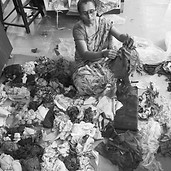
Documenting, categorizing, and studying the properties of textile industry (Ganga fashions) scrap.

Material Explorations
Exploring different techniques to understand how chindi can be transformed into new material systems.
Technique Development & production
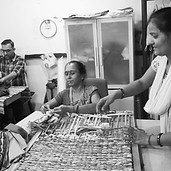
Refining material explorations into repeatable techniques and translating them into functional, manufacturable product systems.

Final Collection
Developing a series of contemporary lifestyle products that showcase the potential of textile waste transformation through craft, material innovation, and design.
Research
-
India generates approximately 7.8 million tonnes of textile waste annually.
-
A significant portion of this waste is pre-consumer waste, generated during cutting, sampling, and production processes.
-
Surat is one of India's largest textile manufacturing hubs, producing large quantities of fabric offcuts and surplus materials every day.
-
Much of this waste is either downcycled, sold at low value, or sent to landfill.
-
With the waste of material there was waste in the emissions envolved during the production of the fabric
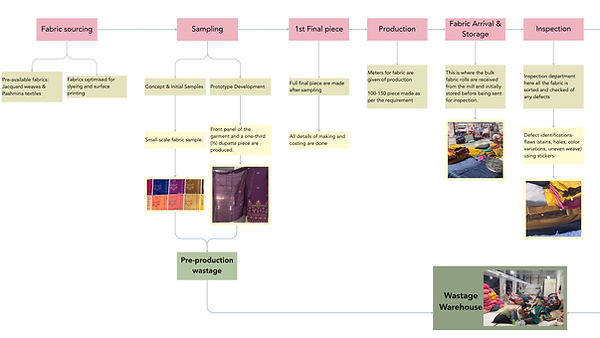
Production mapping at Ganga
.png)
.png)

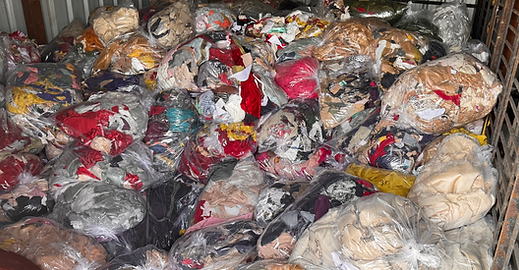
After Observing and engagement with the unit, the smaller textile scraps- CHINDI, are the most consistent and voluminous waste stream.
Design Challenge
Textile waste generated during production often consists of irregularly shaped fabric remnants that are too small to be directly used in conventional product manufacturing. The challenge was to transform fragmented waste into functional textile surfaces while retaining the visual identity of the material's previous life.
Material Collection & Analysis
Textile scraps were sourced from the manufacturing unit and analyzed based on fabric type, color, texture, size, and usability. This initial assessment helped identify opportunities for material utilization and informed the selection of suitable techniques and product categories.
Key Findings
-
High variation in colors and patterns.
-
Irregular shapes and inconsistent dimensions.
-
Mix of woven and knitted fabric waste.
-
Soft yet durable material suitable for home furnishings.
-
Waste generation varied across production cycles.


Waste Segregation
To streamline material exploration, the collected scraps were grouped into three categories:
Small Scraps:
-
Irregular remnants unsuitable for direct stitching.
-
High quantity of waste generated.
-
Ideal for reinforcement techniques.
Medium Scraps:
-
Usable fabric pieces suitable for patchwork construction.
-
Enabled larger textile surfaces through joining techniques.
Long Strips:
-
Continuous fabric offcuts generated during production.
-
Offered potential for weaving and textile construction explorations.
This classification informed the material exploration strategy for all subsequent collections.
Explorations
Explorations were conducted to identify effective ways of utilizing small textile scraps through reinforcement, layering, stitching, fusing, and patchwork techniques. The process transformed fragmented waste into durable textile surfaces while retaining visible seams, fabric variations, and patchwork joins to celebrate the material's origin. These experiments helped determine reinforcement and patchwork as the most suitable techniques for developing soft furnishing products.


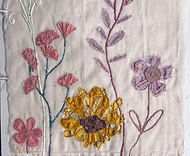


Final chosen techniques
Layered textile scraps reinforced through fusible bonding and 0.5-inch grid stitching.
Similar-sized textile scraps arranged and stitched together using patchwork techniques.
Long strips stitched together to create continuous fabric surfaces.
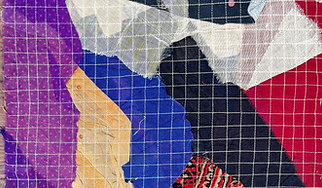


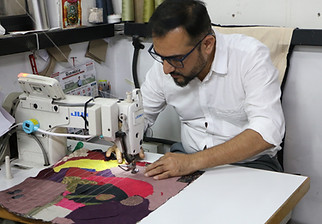
Sampling & Training Karigars


Design Development
The developed textile surfaces were translated into a range of soft furnishing products. Multiple compositions, layouts, and color arrangements were explored to balance aesthetics, functionality, and material efficiency.


Final Collection
Product Range
-
Patchwork Cushion Covers
-
Reinforced Textile Cushions
-
Organizing Tray
-
Bed runner


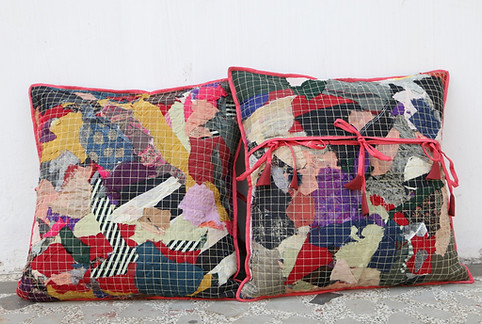
Dimensions: 16x16"
Technique: Reinforcement & Surface Development
Material: Small-sized textile scraps


Dimensions: 16x16"
Technique: Reinforcement & Surface Development
Material: Medium-sized textile scraps


Dimensions: 16x16"
Technique: Patchwork Construction
Material: Medium-sized textile scraps


Dimensions: 16x16"
Technique: Patchwork Construction
Material: Medium-sized textile scraps


Dimensions: 8x8" & 10x10"
Technique: Reinforcement & Surface Development
Material: Small-sized textile scraps


Pillow cover Dimensions: 27x20"
Runner Dimensions: 96x20"
Technique: Reinforcement & Surface Development
Material: Small-sized textile scraps

Brand Narrative
Phir Se is rooted in the belief that discarded materials deserve a second life. By transforming textile industry scrap into contemporary lifestyle products, the project challenges conventional perceptions of waste and celebrates the value hidden within overlooked materials. Through craft, material innovation, and thoughtful design, each product tells a story of renewal, demonstrating how sustainability and aesthetics can coexist.
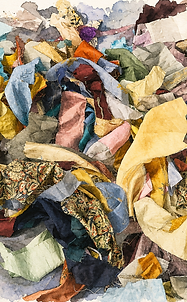
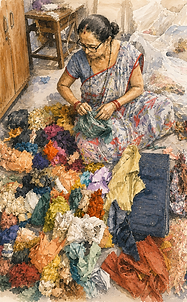
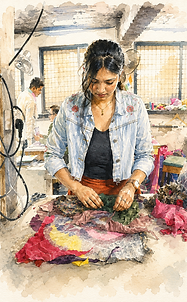
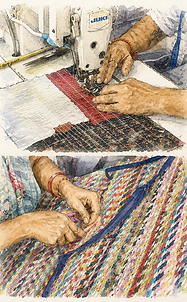
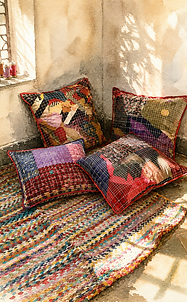
Every product begins as a discarded textile fragment. Through techniques such as patchwork, weaving, braiding, and reinforcement stitching, these remnants are transformed into functional objects. The visible traces of the original material become an integral part of the design, allowing each product to communicate its journey from waste to value.
Brand Value
Sustainability – Extending the life cycle of textile waste.
Craftsmanship – Celebrating making and material knowledge.
Innovation – Discovering new possibilities within discarded materials.
Storytelling – Communicating the journey behind each product.
Circularity – Creating value from what would otherwise be wasted.
Transforming textile waste into products with purpose, value, and a second life.
Learnings
-
Understanding textile waste streams and material categorization.
-
Developing new materials from post-production waste.
-
Exploring reinforcement and patchwork as methods of waste utilization.
-
Creating value from fragmented and irregular materials.
-
Designing products that communicate sustainability through visible material narratives.
-
Translating material experimentation into commercially relevant home furnishing products.
-
Balancing craftsmanship, functionality, and aesthetics in circular design.
